
Matcha vs. Coffee: Which One Is Better for You?
For many people, starting the day with a caffeinated drink is part of their daily routine. Coffee has long been the go-to choice for an energy boost, while matcha has become increasingly popular among people looking for a smoother and more balanced alternative.
Both matcha and coffee contain caffeine and can improve alertness, focus, and energy. However, they differ in their caffeine content, antioxidants, effects on energy levels, and overall experience.
So, which one is better for you—matcha or coffee? The answer depends on your preferences, lifestyle, and how your body responds to caffeine.
What Is Matcha?
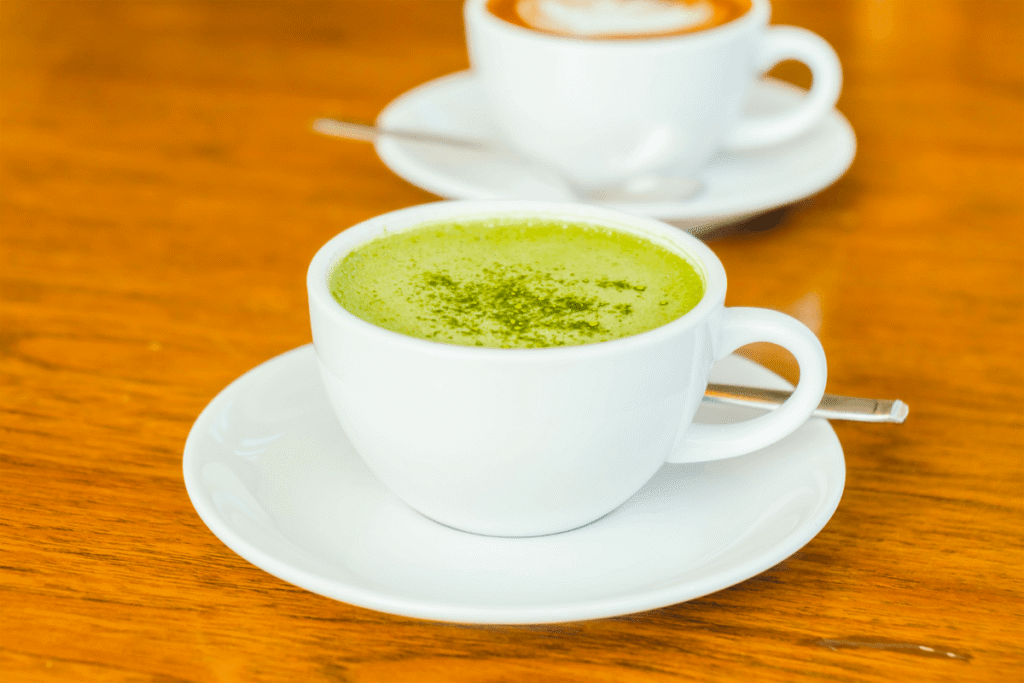
Matcha is a finely ground powder made from specially grown and processed green tea leaves. Unlike traditional green tea, where the leaves are steeped and removed, matcha is consumed as a powder mixed into water or another beverage. This means you consume the whole tea leaf.
Matcha has a naturally vibrant green color and a distinctive flavor that can range from grassy and earthy to slightly sweet and savory. It is commonly enjoyed as a traditional tea, matcha latte, or ingredient in smoothies, desserts, and other recipes.
One of the reasons matcha has gained attention is its combination of caffeine and naturally occurring compounds, including antioxidants.
What Is Coffee?
Coffee is a beverage made by brewing roasted and ground coffee beans. It comes in many varieties and preparation methods, including brewed coffee, espresso, cold brew, and various milk-based drinks.
Coffee is particularly popular because of its strong flavor and relatively quick stimulating effect. For many people, a cup of coffee in the morning is an essential part of their routine, helping them feel more awake and ready to work.
Coffee also contains antioxidants and other naturally occurring compounds, making it more than simply a source of caffeine.
Matcha vs. Coffee: Caffeine
One of the biggest differences between matcha and coffee is how much caffeine they typically provide.
An average serving of matcha generally contains less caffeine than a typical cup of brewed coffee, although the exact amount depends on the serving size and preparation. Coffee can provide a stronger caffeine hit, which may be helpful when you need a quick boost in alertness.
Matcha, on the other hand, contains caffeine along with an amino acid called L-theanine. This combination is often associated with a more gradual and sustained feeling of alertness.
This does not mean that matcha will affect everyone in exactly the same way. Individual sensitivity to caffeine varies considerably.
Energy and Focus
If your main goal is staying alert and focused, both beverages can be useful.
Coffee tends to provide a noticeable energy boost relatively quickly. This can make it appealing in the morning or during periods when you need to feel more awake.
Matcha may provide a gentler experience. Its caffeine content is accompanied by L-theanine, which may help promote a calm, focused state. For people who find coffee makes them feel restless or overstimulated, matcha may be a more comfortable option.
However, the best choice ultimately depends on your personal response. If coffee gives you steady energy without unwanted effects, there may be no reason to switch.
Antioxidants and Nutritional Benefits
Both matcha and coffee contain antioxidants, but matcha is particularly notable because you consume the entire powdered tea leaf.
Matcha is rich in catechins, a group of plant compounds with antioxidant properties. One of the best-known catechins in green tea is epigallocatechin gallate, commonly referred to as EGCG.
Coffee also contains a variety of antioxidant compounds, including chlorogenic acids. Research has associated regular coffee consumption with several potential health benefits, although the effects can depend on the individual and how much coffee is consumed.
Rather than thinking of one beverage as universally healthier, it is more useful to consider the overall quality of your diet and how the beverage fits into your lifestyle.
What About Stomach Sensitivity?
Coffee can be acidic and may cause stomach discomfort, heartburn, or digestive symptoms in some people. This is not true for everyone, but people who are sensitive to coffee may notice these effects more easily.
Matcha is often perceived as gentler, although it can still cause digestive discomfort in some individuals, particularly when consumed on an empty stomach or in large amounts.
If you regularly experience stomach problems after drinking either beverage, paying attention to serving size and timing may help. Drinking your beverage with or after food can also be more comfortable for some people.
Matcha vs. Coffee for Weight Management
Neither matcha nor coffee should be considered a magic solution for weight loss.
Both are relatively low in calories when consumed plain. However, the calories can increase significantly when you add sugar, flavored syrups, cream, condensed milk, or other ingredients.
Matcha may be a good choice for people who enjoy a creamy latte but want a beverage with a different flavor profile. Coffee can also fit easily into a balanced diet when consumed without excessive added sugar or high-calorie additions.
The key is not whether you choose matcha or coffee, but how you prepare and consume it.
Which One Is Better for Your Daily Routine?
Coffee may be the better choice if you:
- Prefer a stronger caffeine boost
- Enjoy the taste and aroma of coffee
- Need a quick morning pick-me-up
- Are already comfortable with how coffee affects you
Matcha may be a better choice if you:
- Prefer a smoother, more gradual caffeine experience
- Want to consume more green-tea-derived antioxidants
- Find coffee makes you feel overly stimulated
- Enjoy its earthy flavor and versatility
You also do not necessarily have to choose just one. Some people enjoy coffee in the morning and matcha later in the day, while others alternate depending on their energy needs and preferences.
Is Matcha Healthier Than Coffee?
There is no simple answer.
Both matcha and coffee can be part of a healthy lifestyle when consumed in moderation. Matcha provides catechins and L-theanine, while coffee provides caffeine and a range of antioxidant compounds.
The healthier option for you is the one that fits your body, preferences, and overall diet without causing unwanted effects.
It is also important to pay attention to what you add to your drink. A plain cup of either beverage is very different nutritionally from a heavily sweetened café-style drink loaded with sugar and calories.
Final Thoughts: Matcha or Coffee?
Matcha and coffee both have their advantages, and neither is automatically better for everyone.
Choose coffee if you want a stronger, familiar caffeine boost and enjoy its rich flavor and aroma.
Choose matcha if you prefer a gentler caffeine experience, enjoy green tea, and want a beverage naturally rich in tea-derived antioxidants.
Ultimately, the best choice is the one that helps you feel good, supports your daily routine, and can be enjoyed without excessive sugar or other unnecessary additions.
If you tolerate both, there is no reason you cannot enjoy both. Coffee can be your choice when you need a stronger start to the day, while matcha can offer a calmer alternative when you want something lighter and more balanced.
The real winner in the matcha vs. coffee debate is not necessarily one beverage—it is the one that works best for you.

By: Rica Marron
Related Articles
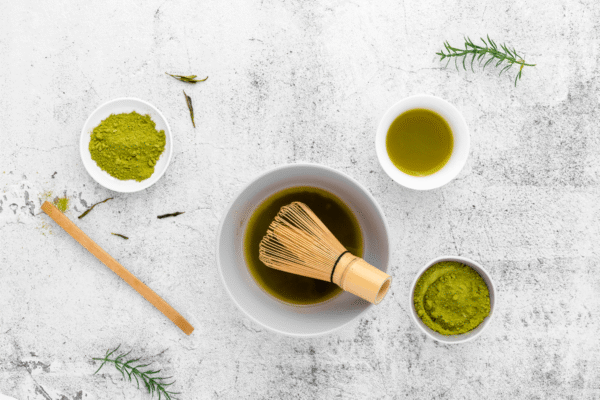
What is Matcha? A Beginner’s Guide
Matcha is more than just a trendy green drink, it’s a traditional tea from Japan with a long history. It’s known for its bright green...
Latest Articles
Explore everything you need to know in our latest articles.
Matcha vs. Coffee: Which One Is Better for You?
For many people, starting the day with a caffeinated drink is part of their daily routine. Coffee has long been the go-to choice for an...
What is Matcha? A Beginner’s Guide
Matcha is more than just a trendy green drink, it’s a traditional tea from Japan with a long history. It’s known for its bright green...