
What is Matcha? A Beginner’s Guide
Matcha is more than just a trendy green drink, it’s a traditional tea from Japan with a long history. It’s known for its bright green color, smooth taste, and many health benefits.
Today, matcha is popular with tea lovers, health-conscious people, and even coffee drinkers looking for a better alternative.
If you’re new to matcha, this simple guide will help you understand what it is, where it comes from, and why it’s a great addition to your daily routine.
What is Matcha?
Matcha is a type of green tea in powder form. It’s made from specially grown and processed tea leaves.
Unlike regular green tea, where you steep the leaves and throw them away, matcha is consumed whole. The leaves are finely ground into powder and mixed directly with hot water or milk. This means you get all the nutrients from the entire leaf.
The result is a rich and smooth drink with a slightly sweet, earthy taste. When prepared well, it also has a creamy texture.
Where Matcha Comes From
Matcha has a long history in Japan, especially in traditional tea ceremonies.
It was first brought to Japan from China in the 12th century. Later, Zen Buddhist monks used matcha to help them stay awake and focused during meditation.
Over time, matcha became a symbol of mindfulness, respect, and harmony in Japanese culture.
Today, people still enjoy matcha in traditional ways, as well as in modern drinks and recipes around the world.
How Matcha is Made
Matcha is special because of how it’s grown, picked, and prepared. The process starts weeks before the leaves are harvested, and every step is done carefully to keep its flavor, color, and nutrients.
Shade-Grown Leaves
About 3 to 4 weeks before harvest, tea plants are covered with shade cloths to block sunlight. This slows their growth and increases chlorophyll, giving matcha its vibrant green color. It also raises amino acids like L-theanine, which make matcha taste smooth and slightly sweet.
Careful Harvesting
Only the youngest, most tender leaves are picked by hand. These leaves have the best taste and the most nutrients. Lower-quality leaves go into regular green tea, while the finest leaves are used to make premium matcha.
Steaming and Drying
Right after being picked, the leaves are quickly steamed to stop them from oxidizing. This keeps them green and fresh, unlike black tea, which is fully oxidized. Steaming also helps preserve their nutrients and natural flavor.
Grinding into Powder
The stems and veins are taken out, and the leaves are ground into a fine powder—this is what we call matcha. This careful process keeps its bright color, rich flavor, and healthy nutrients.
Over time, matcha became an important part of Japanese culture, representing mindfulness and balance. Today, people enjoy it both as traditional tea and in modern recipes around the world.
Types of Matcha
Not all matcha is the same. The type you choose depends on how you plan to enjoy it. Generally, matcha is divided into two main categories:
1. Ceremonial Grade Matcha
- This is the highest-quality matcha, made from the youngest, most tender leaves.
- It has a vibrant green color and a smooth, delicate flavor with a natural sweetness and very little bitterness.
- Ceremonial grade matcha is best enjoyed plain, whisked with just hot water, so you can truly taste its subtle, refined flavor.
- It’s the matcha used in traditional Japanese tea ceremonies, where every detail—from the preparation to the serving—is meant to create a calm, mindful experience.
2. Culinary Grade Matcha
- Slightly lower in sweetness and a bit more robust in flavor.
- Has a hint of natural bitterness, which makes it perfect for cooking, baking, and mixing into drinks like lattes, smoothies, or matcha desserts.
- Culinary grade matcha is more affordable, making it a practical choice if you want to experiment with recipes or create matcha-flavored treats.
Tips for Beginners:
- Starting with a high-quality ceremonial grade matcha gives you the best first impression of matcha’s unique flavor and creamy texture.
- Once you know your taste preference, you can explore culinary grade matcha for recipes and creative drinks.
What Does Matcha Taste Like?
Matcha has a unique flavor that stands out from regular teas or coffee. Its taste can be a little surprising at first, but once you get used to it, it’s deeply enjoyable. Here’s what to expect:
- Earthy and Vegetal: Matcha carries a fresh, grassy flavor that comes from the shade-grown tea leaves. It’s like the essence of green tea, concentrated.
- Slightly Sweet: High-quality matcha has a natural sweetness that balances its earthy notes. You don’t need sugar to enjoy it.
- Smooth and Creamy: When whisked properly, matcha becomes frothy and silky, creating a luxurious texture in your mouth.
- Mildly Bitter (Depending on Quality): Lower-grade matcha can taste bitter, but premium ceremonial matcha has only a gentle hint of bitterness.
The key to great matcha is balance. The best matcha combines a delicate sweetness with a subtle savory flavor called umami, giving it a rich, satisfying taste that’s smooth, vibrant, and refreshing.
Health Benefits of Matcha
One of the main reasons matcha has become so popular is its impressive health benefits. Because you drink the whole tea leaf in powdered form, matcha is much more nutrient-rich than regular green tea. Here’s what makes it special:
1. Rich in Antioxidants
Matcha is loaded with antioxidants called catechins, which help fight free radicals that can damage cells. These antioxidants support overall health and may help protect against aging and certain illnesses.
2. Calm and Steady Energy
Matcha contains caffeine, but unlike coffee, it’s balanced with an amino acid called L-theanine. This combination provides a smooth, sustained energy boost without the jitters or sudden crash you can get from coffee.
3. Supports Focus and Mental Clarity
Thanks to L-theanine, matcha promotes relaxation while improving concentration. This makes it perfect for work, studying, or meditation, giving you clear, calm focus.
4. Boosts Metabolism
Some research suggests matcha can help support metabolism and fat burning, especially when paired with a healthy diet and exercise.
5. Detoxifying Properties
Matcha is rich in chlorophyll, the natural green pigment in plants, which may help support the body’s natural detoxification processes, helping you feel refreshed and rejuvenated.
Bonus: Regular matcha consumption may also support heart health, immune function, and overall wellness, making it a simple addition to your daily routine.
How to Prepare Matcha
Making matcha may seem tricky at first, but it’s actually quite simple once you know the steps. There are two main ways to enjoy it: the traditional way and a modern twist like a matcha latte.
1. Traditional Method (Best for Ceremonial Grade Matcha)
- Sift the Matcha: Measure 1–2 teaspoons of matcha powder into a bowl and sift it. This prevents clumps and ensures a smooth drink.
- Add Hot Water: Pour a small amount of hot water, around 70–80°C (not boiling). Boiling water can make matcha taste bitter.
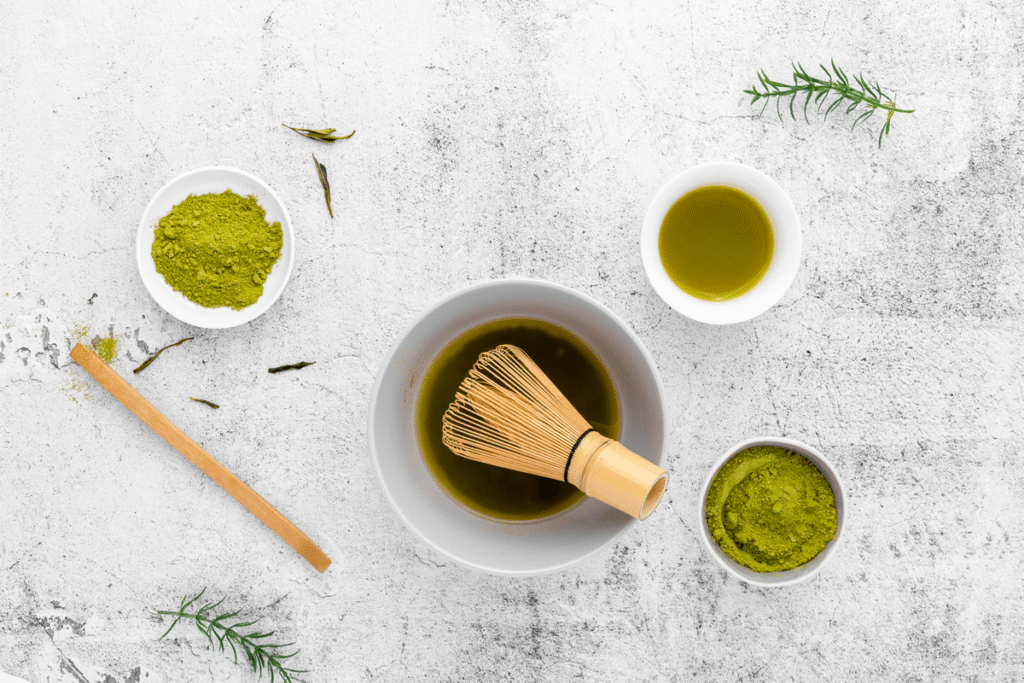
- Whisk: Using a bamboo whisk (chasen), whisk in a quick zigzag or “M” motion until the matcha becomes frothy.
- Adjust: Add more water to your preferred taste. Sip and enjoy the full, delicate flavor.
Tip: High-quality ceremonial matcha is best enjoyed plain, without milk or sugar, to truly savor its natural sweetness and umami.
2. Modern Method – Matcha Latte (Great for Culinary Grade Matcha)
- Mix the Matcha: In a cup, blend matcha powder with a small amount of hot water to make a smooth paste.
- Add Milk: Pour in warm milk (dairy or plant-based) and stir.
- Sweeten (Optional): Add honey, maple syrup, or sugar if you like a sweeter drink.
Pro tip: For a frothy latte, whisk the milk separately before pouring it over the matcha paste.
Extra Tips for Beginners:
- Use fresh, high-quality matcha for the best flavor.
- Avoid boiling water—it can make your matcha bitter.
- A small bamboo whisk works better than a spoon for frothy, creamy matcha.
- Experiment with water-to-matcha ratios until you find your preferred taste.
Matcha vs Coffee
Many people turn to matcha as a healthier alternative to coffee. While both drinks contain caffeine, the way they affect your body is very different.
1. Energy Release
- Matcha: Provides a slow, steady release of energy. Thanks to the amino acid L-theanine, the caffeine in matcha promotes calm alertness rather than jittery spikes.
- Coffee: Gives a quick, intense energy boost, but it can lead to a sudden crash a few hours later.
2. Mental Focus
- Matcha: Enhances focus, concentration, and mental clarity without overstimulation. Perfect for work, study, or creative tasks.
- Coffee: Stimulates alertness quickly but can sometimes cause anxiety, restlessness, or racing thoughts if consumed in excess.
3. Overall Experience
- Matcha: Ideal if you want sustained energy, calm focus, and steady productivity throughout the day.
- Coffee: Best if you need a quick wake-up, but it may lead to mid-day fatigue or cravings for another cup.
Bottom Line:
Switching to matcha can give you gentle, long-lasting energy with added health benefits—plus the bonus of antioxidants, amino acids, and a soothing tea ritual.
Tips for Beginners: Getting Started with Matcha
Starting your matcha journey can feel a bit intimidating, but these simple tips will help you enjoy the best flavor and experience:
1. Start Small
- Begin with 1 teaspoon of matcha per serving. This helps you get used to the flavor and prevents it from being too strong or bitter.
2. Choose High-Quality Matcha
- Ceremonial grade matcha is best for drinking plain, while culinary grade works well in recipes. High-quality matcha has a vibrant green color, smooth texture, and natural sweetness.
3. Experiment with Recipes
- Don’t be afraid to try lattes, smoothies, baked goods, or even ice cream. Culinary matcha is versatile and can make your favorite drinks and desserts healthier and more flavorful.
4. Proper Storage is Key
- Keep matcha in an airtight container in a cool, dark place. Avoid exposure to light, air, and heat to preserve its color, flavor, and nutrients.
5. Use the Right Water Temperature
- Water should be hot, but not boiling (around 70–80°C). Boiling water can make matcha bitter and ruin its delicate flavor.
6. Whisk for Froth
- For a traditional preparation, use a bamboo whisk (chasen) to create a smooth, frothy texture. It enhances the taste and makes drinking matcha a more enjoyable ritual.
7. Enjoy Mindfully
- Take a moment to savor the flavor and aroma. Matcha is more than a drink—it’s a calming ritual that can boost focus, energy, and relaxation.
Why Matcha is Worth Trying
Matcha is more than just a drink—it’s a special experience. From its rich Japanese tradition to its unique flavor and health benefits, matcha stands out from ordinary beverages.
- Boost Your Wellness: Packed with antioxidants, L-theanine, and nutrients, matcha supports both body and mind.
- A Gentle Energy Alternative: If you want to cut back on coffee, matcha provides calm, focused energy without the jitters or crash.
- Delicious and Versatile: Its vibrant taste can be enjoyed plain, in lattes, smoothies, or even desserts.
Whether you’re looking for a new daily ritual, a healthier pick-me-up, or simply a tasty adventure, matcha is an easy and rewarding choice. Its calming energy and rich flavor make it a drink you’ll want to savor every day.
Final Thoughts
As a beginner, matcha may feel a little unfamiliar at first—but that’s part of its charm. Once you learn how it’s grown, prepared, and enjoyed, you’ll start to appreciate its flavor, richness, and versatility.
Take your time exploring different types, recipes, and preparation methods. Over time, you’ll find your own favorite way to enjoy matcha—whether it’s a simple morning ritual or a creative addition to drinks and desserts.
Matcha isn’t just a passing trend. It’s a timeless tradition that continues to inspire people worldwide, one cup at a time.

By: Rica Marron
Related Articles
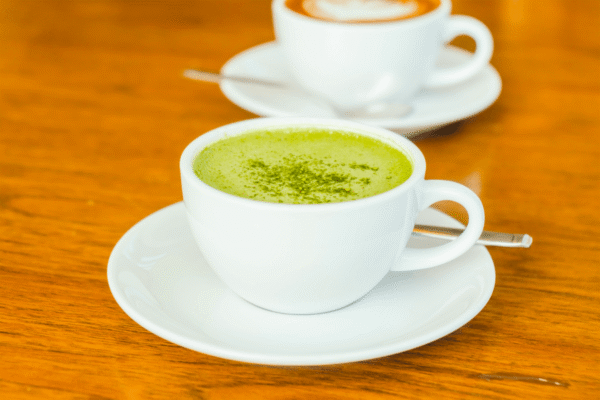
Matcha vs. Coffee: Which One Is Better for You?
For many people, starting the day with a caffeinated drink is part of their daily routine. Coffee has long been the go-to choice for an...
Latest Articles
Explore everything you need to know in our latest articles.
Matcha vs. Coffee: Which One Is Better for You?
For many people, starting the day with a caffeinated drink is part of their daily routine. Coffee has long been the go-to choice for an...
What is Matcha? A Beginner’s Guide
Matcha is more than just a trendy green drink, it’s a traditional tea from Japan with a long history. It’s known for its bright green...